Commercial Waste Shadwell: Recycling and Sustainability
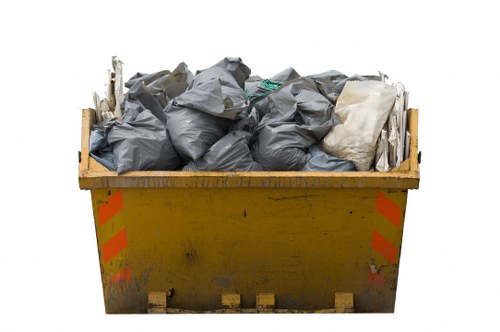
Commercial Waste Shadwell services are evolving to meet the demands of a greener city. In Shadwell and surrounding docklands, our focus is on creating an eco-friendly waste disposal area and developing a true sustainable rubbish area for local businesses. This page outlines the strategy, targets and partnerships that make responsible commercial waste in Shadwell practical and measurable for retailers, cafés, and light industry.
Why sustainable rubbish area planning matters
Managing Shadwell commercial waste effectively reduces landfill, lowers costs and supports circular-economy goals across the borough. Our approach combines infrastructure, education and logistics: segregation at source, prioritising reuse, and ensuring that mixed streams are minimised. We work with local authorities and building managers to align business collections with the boroughs' approach to waste separation — typically separate streams for food, glass, paper/card, and residual/general waste — while encouraging additional separation for textiles and WEEE (waste electrical and electronic equipment).
Targets and measurement
To set a clear ambition, our recycled-content target for commercial waste in Shadwell is a 75% recycling rate by 2030. This target is a practical milestone for an urban, mixed-use area and reflects the need for ambitious action across the supply chain. Progress is measured through regular waste audits, tonnage reporting and verified transfers to licensed facilities. Businesses are encouraged to track waste types and volumes so improvements are tangible and reportable.

Local transfer stations and material routes
We coordinate with nearby local transfer stations and regional sorting facilities to keep materials moving efficiently. Typical transfer points include nearby borough-operated facilities and cross-river terminals in adjacent districts, enabling fast consolidation of glass, paper, food waste and construction waste. Key routes prioritise:
- segregated loads to minimise contamination,
- direct transfers to reuse hubs for furniture and textiles,
- dedicated organics streams bound for anaerobic digestion or composting.
Partnering with charities and reuse centres
Partnerships with local charities and social enterprises are central to creating a vibrant sustainable rubbish area. We collaborate with community reuse projects and national charities that operate locally to divert usable items away from disposal. Examples of common routes include donating furniture, working garments, and small electrical items to registered charities and social traders who refurbish and resell, providing social value and a second life for materials.
These relationships also help businesses meet corporate responsibility goals: instead of paying for disposal, many traders arrange scheduled collections for reuseable stock or establish on-site donation points. In addition, charity partnerships often offer documented receipts for diverted items, supporting CSR reporting and reducing overall disposal costs.
Low-carbon vans and greener collections
To reduce emissions from the collection fleet, we deploy low-carbon vans and electric vehicles across the Shadwell area, supplemented by cargo bikes for short urban trips. Our fleet improvements include route optimisation software, telematics for driver behaviour, and hybrid or fully electric small vans for frequent stops. These measures cut fuel consumption and air pollution, reinforcing the area’s credentials as an eco-friendly waste disposal area for businesses that prioritise sustainability.
Operational practicalities for businesses
Delivering a sustainable commercial waste service in Shadwell requires clear operational steps: correct bin labelling, staff training on segregation, scheduled collections that match trading patterns, and contingency plans for busy periods. The boroughs' approach to waste separation — typically separate food caddies, mixed recycling, glass and residual bins — is respected, while we add practical touchpoints like textile skips and electronics drop-offs at partner reuse hubs.

Looking ahead: continuous improvement and community benefit
Our commitment is to maintain a resilient, transparent and accountable program for Shadwell commercial waste. By aiming for the 75% recycling target and investing in low-carbon collection technology, combined with strategic use of local transfer stations and charity partnerships, we create measurable reductions in landfill and embodied carbon. The outcome is a safer, cleaner and more sustainable rubbish area that supports local jobs, reduces environmental harm and encourages the circular use of materials.
Shadwell commercial waste programmes are iterative: data-driven audits guide where to improve segregation, while reuse partnerships maximize value from discarded goods. Businesses that align their procurement and waste practices with these principles will see both environmental and financial benefits, helping to future-proof the neighbourhood against tightening environmental standards and rising disposal costs.
