Complaints Procedure for Commercial Waste Shadwell
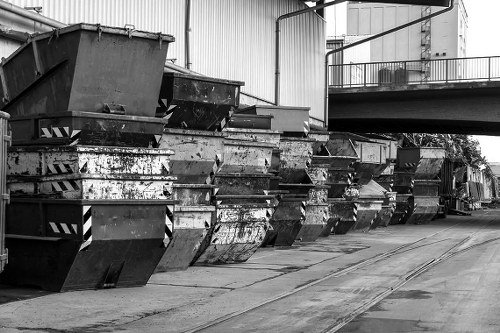 Purpose and scope. This Complaints Procedure explains how customers of a commercial waste provider can raise concerns about the collection, disposal and management of commercial refuse. It applies to contracts for commercial waste Shadwell collections, disposal services, and any ancillary cleansing or recycling operations provided by the rubbish company service area. The procedure sets out the steps we follow to ensure consistent, fair and timely handling of issues raised by businesses and organisations.
We aim to resolve concerns as quickly as possible while protecting both the customer and the service operator. Complaints may relate to missed collections, contamination of loads, vehicle movements, site access, billing disputes connected to commercial rubbish Shadwell services or perceived breaches of service level agreements. The process ensures that every complaint is logged, investigated and closed with a clear outcome.
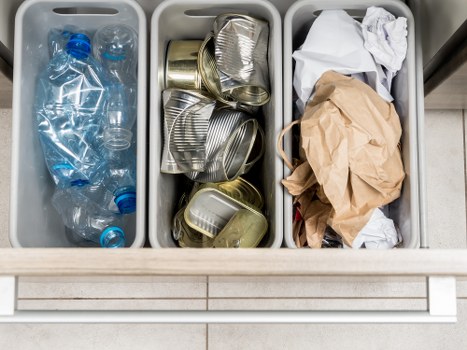 What counts as a complaint? A complaint is any expression of dissatisfaction about a commercial waste service that requires a formal response. This includes service failures, safety issues, environmental incidents and conduct of crews. Minor operational queries that can be resolved immediately are not typically treated as formal complaints, but records are kept so trends can be identified.
How to raise a concern
To ensure fairness, complaints should include sufficient detail to allow investigation: date and time of incident, the premises affected, the nature of the concern and any supporting evidence such as photographs or waste transfer notes. While specific contact channels are maintained by the rubbish company, this page describes the procedural stages rather than contact methods. A clear description helps investigators identify the service point within the commercial waste Shadwell operating area and assess any contractual obligations.
On receipt the complaint is logged in the complaints register, assigned a reference number and screened to determine whether it requires operational action, a formal investigation or escalation. All complaints are treated with impartiality, and staff must declare any potential conflicts of interest. Records are retained in line with data retention policies to support transparency and continuous improvement.
- Acknowledgement: Complaints are acknowledged promptly, typically within a short business timeframe.
- Initial assessment: The issue is classified by severity and responsible team.
- Investigation: Evidence is collected, staff statements are taken and relevant logs are reviewed.
- Outcome: Findings are recorded and a resolution is proposed.
- Closure: The complaint is closed when remedial actions are completed and the outcome documented.
Investigation and timescales
Investigations seek to be thorough yet proportionate. Standard timescales are set to provide predictable responses: complaints are usually acknowledged within a few working days, and a full investigation conclusion is sought within ten to twenty working days depending on complexity and the need for third-party input. For matters requiring on-site inspection, chemical analysis of waste or liaison with regulators, longer periods may be necessary; the complainant is informed of any extension.
The investigator will consider operational logs, vehicle tracking records, crew reports and waste transfer documentation to establish facts. Wherever possible, steps to prevent recurrence are recommended, such as route adjustments, crew briefings or changes to bin presentation instructions. The outcome will detail whether the complaint is upheld, partially upheld or not upheld, and will identify corrective actions.  Mid-investigation updates are provided where an investigation is protracted to keep stakeholders informed.
Possible resolutions include service rectification (e.g., an additional collection), formal apology, and where appropriate, compensation for demonstrable loss. Decisions about financial redress follow internal policy and proportionality assessments; any remedial action is documented to ensure the complaint is closed with clear evidence of resolution.
Escalation and review
If the complainant is not satisfied with the proposed resolution, the complaint can be escalated for an independent internal review. The escalation is examined by a senior manager who was not involved in the original investigation to ensure objectivity. The reviewer will re-assess the evidence, check compliance with company policies and confirm whether the proposed remedy was appropriate.
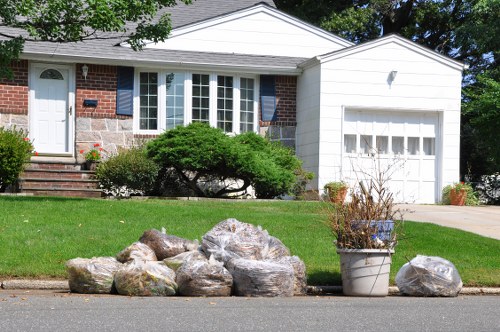 Record keeping and learning. All complaints and outcomes inform continuous improvement programmes. Trend analysis across the commercial rubbish Shadwell service area helps identify systemic issues such as scheduling conflicts, route optimisation needs or customer communication gaps. Lessons learned are converted into training, procedural updates and performance indicators to better align the service with contractual expectations.
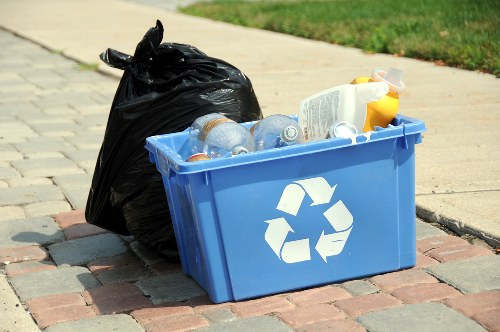 Confidentiality and data protection are respected throughout. Personal data collected for the purposes of complaint handling are processed lawfully and retained only as long as necessary for complaint resolution and audit. The process does not prejudice third-party rights or regulatory obligations.
Monitoring performance against complaints metrics is part of regular governance. Key performance indicators include acknowledgement times, investigation duration, percentage of complaints upheld and the rate at which corrective actions are completed. These metrics are used internally to review operational performance and to improve the customer experience for commercial waste clients.
The complaints procedure is reviewed periodically to ensure it remains effective, accessible and aligned with best practice for waste carriers and commercial waste management. Changes may reflect legislative developments, environmental responsibilities or adjustments to the rubbish collection model within the service area.
Final notes: This procedure is designed to be fair, transparent and responsive for businesses receiving commercial waste Shadwell services. It sets out clear expectations for how complaints are logged, investigated and resolved while supporting continuous improvement and compliance with operational standards.
