Hidden costs to watch for in Hadwell rubbish removal
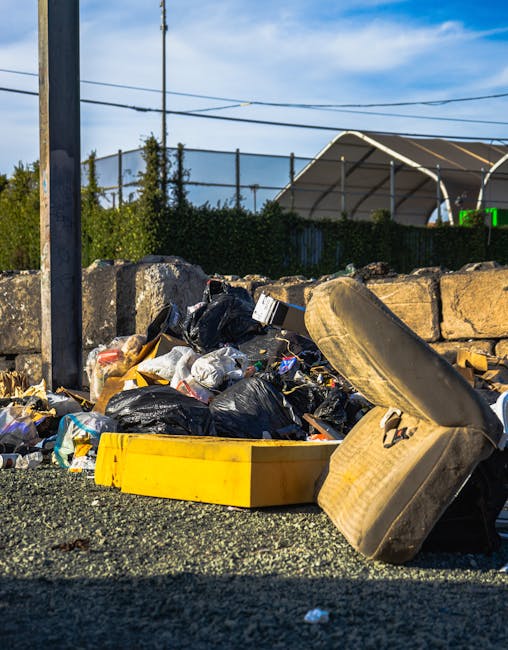
If you are comparing rubbish removal quotes in Hadwell, the headline price is only half the story. The real surprise often comes later: labour add-ons, restricted access charges, appliance handling fees, disposal surcharges, and extra costs for items that were never clearly discussed. That is exactly why understanding the hidden costs to watch for in Hadwell rubbish removal matters before you book.
This guide breaks down the charges people miss, how they usually show up, and how to avoid paying more than you should. It also gives you a simple way to compare providers fairly, whether you need a one-off clear-out, a larger household job, or support with something more specific like house clearance, office clearance, or builders waste clearance. Truth be told, a good quote should make you feel calmer, not more confused.
And yes, the fine print matters. A lot.
Why hidden costs matter
Rubbish removal is often booked under pressure. Maybe you are moving out of a flat, clearing a loft, or trying to get rid of a pile of old furniture before the weekend. When time is tight, it is easy to skim the quote, accept a figure that seems reasonable, and move on. Then the team arrives and suddenly the price changes because the sofa was heavier than expected or the van could not park close enough.
That is where hidden costs become more than an annoyance. They affect trust, budgeting, and how smoothly the job runs. A small surprise fee may not sound dramatic, but if you are clearing a whole property it can turn into a proper headache. Nobody wants that awkward moment at the kerbside, staring at a bill and wondering where the extra came from.
In Hadwell, as in much of London, properties can be a bit tricky: narrow access, shared entrances, stairs, permits, limited loading space, and busy streets all add complexity. Some providers handle that neatly in the original quote. Others use it as a reason to increase the bill later. Knowing the difference is the point.
Expert takeaway: the cheapest rubbish removal quote is only good value if it clearly states what is included, what is excluded, and what could trigger an extra charge.
If you want to understand a provider's general standards before you book, it can also help to review their pricing and quotes approach and practical policies such as insurance and safety. Those pages are not just box-ticking. They often reveal how transparent the service really is.
How rubbish removal pricing usually works
Most rubbish removal pricing is based on a few core variables: the amount of waste, the type of waste, the time needed to load it, and how easy it is to access the items. That sounds simple enough, but the devil is in the details. Two jobs that look similar from the hallway can cost very differently once a team starts lifting and sorting.
Here is the usual pattern. A provider gives an estimate based on your description, photos, or an on-site assessment. If the job matches what was described, the price stays stable. If the reality is different, the bill can change. Sometimes that change is fair. Sometimes it is avoidable.
The most common hidden costs appear when the provider has not asked enough questions in advance. For example:
- the waste is mixed with items that need separate handling
- the job takes longer because access is awkward
- the load includes bulky items such as wardrobes or mattresses
- special disposal rules apply to appliances, hazardous materials, or confidential items
- parking, congestion, or waiting time is not factored in
If you are comparing different removal methods, it can help to look at what each service is designed for. A flat clearance is often very different from a garage tidy-out or loft clearance. Likewise, waste from building work is not the same as old domestic junk. The more accurately the service matches the waste, the fewer surprises later.
One practical rule: if the quote is vague, assume the final price might be too. Not always, but often enough to matter.
Key benefits and practical advantages
Getting ahead of hidden charges is not just about saving money. It makes the whole process less stressful and much easier to plan. A clear quote lets you decide what to keep, what to sell, what to donate, and what to remove in one go. That helps avoid the classic last-minute scramble where a pile of things gets shoved into the hall at 7:30 in the morning.
Here are the main benefits of understanding the real cost before you book:
- Better budgeting: you can compare like with like instead of chasing the lowest headline number.
- Fewer disputes: clear expectations reduce awkward conversations on the day.
- Faster jobs: when access, item types, and volume are described properly, the crew can work more efficiently.
- Safer handling: specialist items are identified early and dealt with appropriately.
- Less wasteful decisions: if you know a mattress or fridge has a separate fee, you can plan it in rather than discovering it late.
There is also a quality signal here. Transparent providers tend to be more organised overall. They usually care about the practical stuff: how waste is loaded, whether items are recyclable, and whether the customer understands what is happening. That links neatly with broader service pages like recycling and sustainability, because lower surprises often go hand in hand with better sorting and better planning.
To be fair, nobody gets excited about the pricing page. But it can save a lot of grief.
Who this is for and when it makes sense
This topic matters to pretty much anyone arranging a collection, but some people feel the impact more sharply than others. If you are moving house, clearing after a tenant, emptying a deceased relative's property, or trying to get a commercial space back into use, hidden extras can become a major budget issue very quickly.
It is especially relevant if you are:
- a homeowner sorting out a one-off clear-out
- a landlord or letting agent needing a fast turnaround
- a tenant trying to avoid deductions or disputes
- a business owner clearing stock, office furniture, or paperwork
- a tradesperson dealing with leftover materials after a build or refurbishment
For household projects, the risk often comes from emotional overload. You are clearing a loft and find more than you expected, or you discover a cracked freezer that nobody remembered to mention. For businesses, the risk is more operational: if a service delay or extra fee interrupts reopening, the knock-on effect can be frustrating and expensive.
If your job involves specialty items, look at dedicated pages first. For example, a bulky suite may be better handled through mattress and sofa disposal, while old office paperwork may be linked to confidential shredding. Matching the service to the item type is one of the simplest ways to keep the cost honest.
Step-by-step guidance
Here is a straightforward way to avoid hidden charges before they appear. Nothing fancy. Just a practical process that works.
- List every item clearly. Include bulky pieces, loose bags, broken appliances, and anything unusual. Do not say "general rubbish" if it is really a mixture of furniture, garden waste, and builder's debris.
- Share photos from a few angles. A single close-up rarely tells the full story. Wide shots help show volume and access.
- Explain access honestly. Stairs, tight hallways, parking distance, rear entries, and lift restrictions all matter. If the crew has to carry items a long way, that can affect pricing.
- Ask what is included. Labour, loading, disposal, VAT if applicable, waiting time, and call-out terms should be clear.
- Ask what triggers extra charges. Heavy items, dangerous materials, additional volume, sorting time, and failed access are common examples.
- Check item-specific rules. Appliances, fridges, and freezers can have different handling needs, so review fridge and appliance removal if relevant.
- Confirm the booking terms. Payment timing, cancellation rules, and arrival windows should be understood before you agree. A quick look at payment and security can be useful here.
If something still feels unclear, ask again. Twice if needed. A proper provider will not mind. In fact, they should welcome it.
One small but useful habit: keep a copy of the quote or message thread. You do not need to be suspicious; you just need a paper trail. That saved more than one person from a "we never said that" conversation. Funny how memory gets fuzzy when money is involved.
Expert tips for better results
There are a few practical tricks that make rubbish removal smoother and cheaper without cutting corners. These are the things that often get missed in the rush.
Tip 1: group items by type before the team arrives. Mixing everything together can make loading slower. Separate furniture, general waste, electricals, and anything sensitive or awkward.
Tip 2: clear a route to the items. If the crew spends ten minutes moving boxes just to reach a wardrobe, that time has to come from somewhere. A clear path can trim the job and reduce the chance of labour add-ons.
Tip 3: be realistic about volume. People often underestimate how much waste they have. A few bags in the kitchen can turn into a serious load once sorted. That is normal, by the way. Not a moral failing.
Tip 4: check for restricted waste early. Things like chemicals, paint, solvents, batteries, or unknown liquids may require special handling. If a company is clear about hazardous waste disposal, that is usually a good sign.
Tip 5: match service to property type. A one-bedroom flat, a family house, and an office floor are not the same job. A clear service page such as home clearance or business waste removal helps set the right expectations from the start.
Tip 6: choose clarity over speed. Fast quotes are fine, but only if they are accurate. If the quote feels too quick and too neat, ask how it was calculated.
One last thing: if a provider sounds annoyed by questions, that says plenty. Not everything, but plenty.
Common mistakes to avoid
A lot of extra charges are avoidable. The trouble is that people make the same few mistakes again and again, especially when they are trying to get things sorted quickly.
- Giving incomplete information. "Just a bit of rubbish" is not enough detail.
- Forgetting about bulky items. A sofa, mattress, wardrobe, or fridge can change the price structure.
- Ignoring access issues. Parking and carrying distance can matter as much as the waste itself.
- Assuming all waste is treated the same. Builders waste, general household waste, and recyclable materials may be handled differently.
- Not reading the booking terms. This is where cancellation, waiting, and disposal exceptions usually live.
- Choosing on price alone. The cheapest quote can become the most expensive once all the extras show up.
There is also a quieter mistake: not asking what happens if the load is smaller than expected. Some companies are fair about that, some are not. You want balance, not guesswork. The best removal companies explain both sides clearly.
If you are dealing with a more specific type of clearance, use the dedicated page where possible, such as furniture clearance or garage clearance. That can save time and reduce misunderstandings. Simple, really.
Tools, resources and recommendations
You do not need specialist software to avoid hidden rubbish removal costs. A few simple tools and habits are enough.
- Phone photos: take wide, well-lit pictures of the waste and access route.
- Basic list: note item types, quantities, and anything unusual.
- Measurement tape: useful for large furniture, tight doorways, and stair turns.
- Calendar reminder: confirm arrival times and any building access windows.
- Payment note: keep the quote, payment terms, and booking confirmation together.
For items like a sofa, mattress, or white goods, the most helpful resource is usually the service page itself. For instance, reviewing mattress and sofa disposal or fridge and appliance removal helps you understand whether the item may attract a separate charge or special handling.
If you are unsure about what can be included in a mixed load, check what can go in a skip. Even when you are not hiring a skip, the guidance is still useful because it helps you think in categories: general waste, recyclable material, and restricted items. That mental sorting makes quotes more accurate. And less messy. Which is nice.
Law, compliance, standards and best practice
Rubbish removal is not just a pricing issue; it also touches safety, handling, and responsible disposal. In the UK, customers generally want a provider that operates transparently, manages waste appropriately, and handles items in line with accepted commercial practice. You do not need to become a legal expert, but a few basics help.
First, waste should be described accurately. If you hide the presence of paint tins, sharp materials, or electrical items, the quote may be wrong and the collection may become unsafe. Second, providers should be clear about how they manage loading, transport, and disposal. Third, if your waste includes confidential documents, appliances, or materials that may need special treatment, it is sensible to ask how they approach those items before booking.
Good practice usually includes:
- clear pre-booking communication
- transparent pricing terms
- appropriate manual handling and lifting practices
- responsible separation of recyclable and non-recyclable waste
- special care for items that may need separate processing
It is also worth looking at a provider's supporting policies. Pages such as health and safety policy and insurance and safety can give you a better sense of how seriously they treat risk. That may sound dry, but it is often where professionalism shows up most clearly.
For businesses, the bar is even higher in practice, because you may need predictable scheduling, tidy paperwork, and proper handling of mixed commercial waste. A dedicated page like office clearance can be a better starting point than a generic household service.
Options, methods and comparison table
Different clearance methods suit different jobs. Choosing the right one can reduce hidden costs before they happen, because the pricing model matches the waste type and scale more closely.
| Method | Best for | Where hidden costs can appear | Best fit when... |
|---|---|---|---|
| Man-and-van style rubbish removal | Mixed household waste, small clear-outs, quick collection | Access issues, extra labour, bulky items, unexpected volume | You want speed and flexibility |
| Dedicated room or property clearance | Lofts, garages, flats, houses, offices | Sorting time, restricted waste, additional team time | You need a fuller service with less lifting on your side |
| Specialist item disposal | Appliances, mattresses, sofas, confidential materials | Separate handling or processing charges | Your waste contains specific items with special requirements |
| Builders waste clearance | Renovation debris, rubble, timber, packaging, mixed trade waste | Heavier loads, restricted items, sorting, disposal complexity | You are finishing a project and need the site cleared properly |
The right method depends on what you are trying to remove, how quickly you need it gone, and how straightforward access is. There is no single winner. Just a better fit for the job in front of you.
Case study or real-world example
Here is a realistic scenario. A household in Hadwell books a quote for a "small clear-out" after replacing furniture and sorting through a spare room. On the day, the team finds a heavy wardrobe, a dismantled bed frame, two mattresses, several mixed bags, and an old fridge tucked away in a corner. The lift in the building is available, but it is small, and the stairwell requires careful carrying. Nothing outrageous. Just more than expected.
If the provider had only quoted on the visible bags, the price would likely need to change. That does not always mean the provider is unfair. In many cases, it means the job was described too lightly at the outset. The hidden cost was not hidden by the company; it was hidden by the conversation.
What would have helped?
- photos of every room involved
- a note that the fridge was included
- clear mention of the lift size and stair access
- confirmation of whether mattresses were part of the price
That small amount of detail would have turned the quote from a rough estimate into something much more dependable. And probably saved a bit of stress. Which, on a damp Tuesday afternoon, is no small thing.
Practical checklist
Use this before you book. It takes a few minutes and can prevent a lot of back-and-forth later.
- Have I listed every item that needs removing?
- Have I included bulky items, appliances, and awkward furniture?
- Have I sent clear photos from more than one angle?
- Have I explained access, parking, stairs, and lift issues?
- Do I know whether loading, labour, and disposal are all included?
- Have I asked what could trigger extra charges?
- Do I know whether any items need special handling?
- Have I checked the booking terms and payment details?
- Do I have the quote saved somewhere easy to find?
- Have I compared the service to the type of waste I actually have?
Quick summary: the safest way to avoid hidden costs is to describe the job precisely, ask direct questions, and choose a provider that explains pricing in plain English. If the process feels clear before the job starts, it is usually much smoother on the day too.
Conclusion
Hidden costs in rubbish removal are rarely mysterious once you know what to look for. Most come down to vague descriptions, unclear access, special item handling, or quotes that leave too much unsaid. The good news is that these issues are easy to reduce when you ask the right questions early and compare providers properly.
For Hadwell customers, that means looking beyond the headline figure and focusing on what is actually included. Check the access, the waste type, the booking terms, and the service fit. Do that well, and you are far less likely to get caught out. It is a small bit of admin, sure, but it pays off.
Get a free quote today and see how much you can save.
If you are planning a clear-out soon, take your time, get the details right, and choose the option that feels transparent from the start. Peace of mind is worth a lot when the bags are piling up by the door.
Frequently Asked Questions
What are the most common hidden costs in Hadwell rubbish removal?
The most common ones are extra labour, awkward access charges, bulky item fees, special disposal costs for appliances or hazardous materials, and charges for extra volume that was not mentioned in the original quote.
How can I avoid surprise charges before booking?
Give a full item list, send clear photos, explain access honestly, and ask what is included in the quote. It also helps to ask specifically what would trigger a price increase.
Why do rubbish removal prices change on the day?
Prices often change when the waste is larger, heavier, or more complex than described, or when the crew faces access problems such as stairs, long carry distances, or restricted parking.
Are mattresses, sofas, and fridges usually charged separately?
They can be. Many providers treat bulky upholstered items and appliances differently because they require separate handling or disposal processes. It is best to check before the collection.
Is a cheap quote always a bad sign?
Not always, but a very low quote with weak detail can be risky. If the provider is not clear about inclusions and exclusions, the final bill may end up higher than expected.
Do I need to mention if the property is on a top floor?
Yes. Stairs, lifts, and carrying distance can all affect labour time and pricing. Even a short flight of stairs can matter if there are multiple large items.
What should a clear rubbish removal quote include?
It should explain what items are covered, what the price includes, whether labour and disposal are part of the total, and any situations that could lead to an extra charge.
Can I save money by sorting waste myself first?
Often, yes. Separating reusable items, recyclable materials, and special waste can make the collection quicker and more efficient. It may also reduce the risk of mixed-load complications.
How do hidden costs affect commercial rubbish removal?
For businesses, hidden costs can disrupt planning, delay reopening, and complicate budgets. That is why commercial jobs benefit from clear scoping and a service that matches the waste type properly.
What if I am not sure whether an item is restricted or hazardous?
Ask before the collection. It is better to identify the item early than to have it discovered during loading. Items like chemicals, paint, batteries, and unknown liquids often need special attention.
Does recycling affect rubbish removal pricing?
It can. Some materials are easier to sort than others, and responsible recycling may influence how waste is processed. A transparent provider should explain the approach clearly if it affects the price.
What is the best next step if I want a reliable quote?
Prepare photos, write a simple item list, note any access issues, and review the provider's pricing information before you book. That gives you the best chance of an accurate quote and a smoother collection.