Eco-Friendly Solutions for Packaging and Cardboard Disposal
Eco-Friendly Solutions for Packaging and Cardboard Disposal: The Complete UK Guide
If you handle packaging every day--stacking cardboard boxes after a delivery run, wrestling with void fill that clings to your sleeves, wondering what truly counts as recyclable--you're not alone. The world is moving fast toward cleaner supply chains, and companies (big and small) are under friendly but firm pressure to be more sustainable. Truth be told, eco-friendly solutions for packaging and cardboard disposal are no longer a nice-to-have. They're the new common sense: smarter for budgets, better for brand trust, and essential for the planet we all share.
This long-form guide is built to help you design, buy, use, and dispose of packaging in a way that's practical and profitable. We'll cover the evidence, the how-to, the UK laws, and the little human moments--like when you realise the storeroom actually smells fresher once the cardboard mountain is under control. You'll get a confident, expert roadmap to reduce waste, boost recyclability, and keep your customers smiling. And, to be fair, you'll likely cut costs too.
Table of Contents
- Why This Topic Matters
- Key Benefits
- Step-by-Step Guidance
- Expert Tips
- Common Mistakes to Avoid
- Case Study or Real-World Example
- Tools, Resources & Recommendations
- Law, Compliance or Industry Standards (UK-focused if applicable)
- Checklist
- Conclusion with CTA
- FAQ
Why This Topic Matters
Eco-Friendly Solutions for Packaging and Cardboard Disposal touch everything from climate impact to customer loyalty. Packaging is often the first physical touchpoint a customer has with your brand, and--let's face it--first impressions stick. If the unboxing experience feels clean and responsible, trust rises. If the box is oversized, packed with mixed plastics and non-recyclables, well, disappointment rustles like a crumpled mailer.
The UK moves millions of tonnes of packaging each year. Paper and cardboard are among the most recycled materials, with UK collection and recycling rates for corrugated packaging commonly reported above 80% by industry groups such as the Confederation of Paper Industries. Yet, contamination, poor design, and confusing labels still send recyclables to landfill or energy recovery. That's unnecessary cost and carbon. It's also something you can fix with better design, simpler materials, and smarter end-of-life planning.
There's a human side too. A warehouse manager in Manchester once told us: "We switched to right-sized boxes and paper tape. The team finished the packing run earlier--and the place just felt calmer." You could almost smell the cardboard dust settle, replaced by the faint, papery scent of fresh kraft. Small changes. Big impact.
Bottom line: Sustainable packaging and responsible cardboard disposal save money, lower emissions, and protect brand reputation. It's not theory--it's day-to-day business health.
Key Benefits
Choosing eco-friendly packaging solutions and improving cardboard disposal isn't just about doing good; it's about doing better business. Here's what you stand to gain:
- Lower costs over time - Right-sizing reduces material use and shipping weight; recycled-content materials can be cheaper at scale; compacting cardboard cuts collections.
- Higher recycling rates - Single-material designs (e.g., cardboard + paper tape) make it easier for customers and waste contractors to recycle effectively.
- Reduced carbon footprint - Lighter, optimized packaging lowers transport emissions. Recycled fibre content also reduces embodied carbon compared to virgin materials.
- Brand trust and loyalty - Clear, honest sustainability choices are noticeable. Eco-friendly packaging often shows up in customer reviews and social posts.
- Regulatory readiness - With Extended Producer Responsibility (EPR) obligations expanding in the UK, clean data and better design mean fewer headaches later.
- Safer workplaces - Fewer sharp plastics and less dust from poor-quality materials. Good housekeeping, less clutter. Clean, clear, calm. That's the goal.
And, to be fair, there's pride: knowing your team is part of the solution, not the problem. That matters on a busy Tuesday morning, when the loading bay is humming and the kettle's just boiled.
Step-by-Step Guidance
Here's a practical, no-fuss blueprint to make your packaging greener and your cardboard disposal rock-solid. We'll move from strategy to materials to daily operations.
1) Map Your Current Packaging and Waste Streams
- List your packaging SKUs - Boxes, mailers, tapes, labels, void fill, inserts, pallets. Record sizes, materials, and suppliers.
- Measure volumes - How many units of each do you use weekly/monthly? What's the weight and cost per unit?
- Follow the waste - Where does cardboard collect? How often do you arrange pickups? What gets contaminated and why?
- Check bin composition - A quick audit: what percentage of the mixed waste could have been recycled? You'll be surprised (we always are).
Micro moment: One client kept breaking down boxes by hand; it took ages. A simple wall-mounted baler changed the rhythm of the whole afternoon shift. Quieter, quicker, safer.
2) Redesign for the Waste Hierarchy: Prevent, Reduce, Reuse, Recycle
- Prevent - Can you remove a layer? Ditch unnecessary tissue or plastic windows. Use direct-print boxes instead of inserts.
- Reduce - Right-size with die-cut cartons or on-demand box makers. Switch to lighter board grades where safe.
- Reuse - Introduce returnable transit packaging (RTP) for B2B routes; offer customer reuse schemes for returns where practical.
- Recycle - Choose mono-materials. Cardboard + paper tape is a winner. Avoid composite laminates unless essential.
Focus on simplicity. The more materials you mix, the lower the recycling rate. The UK Waste Hierarchy favours prevention and reuse first--design choices that pay off instantly.
3) Choose Better Materials
- Cardboard with recycled content - Aim for 60-90% recycled fibre where performance allows. Look for FSC or PEFC certified sources.
- Paper tapes and water-activated tapes - Strong seal, recyclable with the box. Reduces plastic contamination.
- Paper-based void fill - Crumpled kraft, honeycomb wraps, or shredded cardboard. Feels tidy, sounds satisfyingly crisp, and recycles easily.
- Compostable or biodegradable options - Use selectively; ensure they meet standards (e.g., EN 13432 for industrial composting) and that end-of-life routes exist. Don't greenwash.
- Returnable packaging - Reusable totes or mailers for closed loops. Track them with QR or RFID for accountability.
Ever opened a parcel and sighed at the plastic avalanche? Your customers have too. Choosing mono-materials is the simplest fix--you'll hear the difference when they unbox, less rustle, more rip-thud satisfaction of paper.
4) Standardise Labels and Instructions
- Plain English - "Please recycle this cardboard box and paper tape." Keep it simple, not preachy.
- Use recognised icons - On-pack recycling labels (OPRL) improve consumer understanding in the UK.
- QR codes to disposal pages - Host a concise page with disposal guidance and FAQs. No fluff.
Small labels can save tonnes of waste. Literally.
5) Optimise Cardboard Disposal On-Site
- Segregate at source - Cardboard flats in dedicated cages or stillages. Keep it dry; wet board is downgraded or rejected.
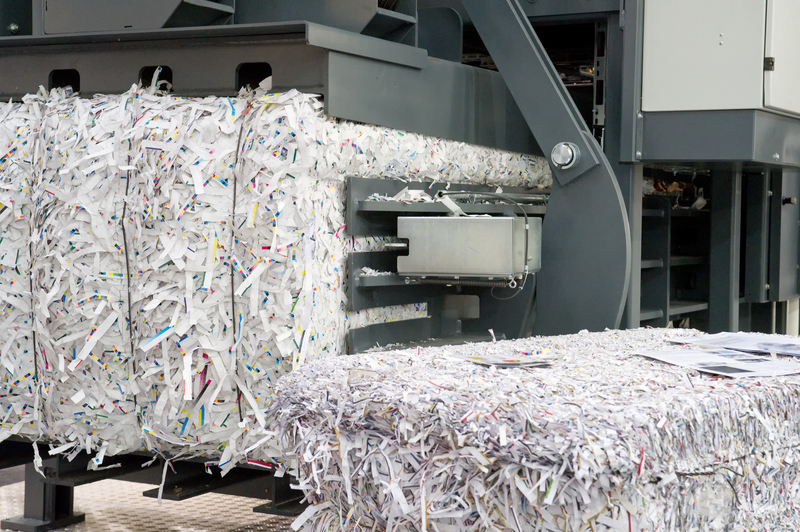
- Bale or compact - A baler reduces volume by up to 90%. Collections become predictable; rebates may apply depending on markets.
- Train your team - Short toolbox talks. Show examples of contamination: food residue, plastic film, bubble wrap. People remember what they can see and touch.
- Keep the floor tidy - Set times for breakdown, use safety knives. A clean area reduces slips and improves morale.
We walked into a London storeroom where you could almost smell damp cardboard after a leak. Quick fix? Move cages away from external doors, add lids, and amend the cleaning rota. Simple, effective, done.
6) Track, Report, Improve
- Define KPIs - Packaging cost per shipment, percentage recycled content, cardboard recycling rate, contamination rate.
- Monthly dashboards - Keep it visible. Short stand-up reviews work wonders.
- Supplier reviews - Ask for material specs, certifications, and alternatives. Push for lighter, stronger designs.
- Customer feedback - Include a quick survey in dispatch emails. You'll spot pain points fast.
Improvement is a habit. Not a project. Keep it going, even on the busy weeks.
Expert Tips
- Prioritise mono-material packaging - If a component must be plastic, make the whole pack recyclable plastic with clear instructions. Otherwise, keep it all paper-based.
- Right-size with data - Analyse order dimensions. Introduce 5-7 optimised box sizes. You'll cut void fill by 30-50% in many cases.
- Use recycled-content thresholds - Set internal minimums (e.g., 70% recycled fibre in cardboard) and exceptions for heavy or fragile goods.
- Trial water-activated tape - It often improves seal integrity and reduces tampering while staying curbside recyclable.
- Put disposal instructions inside the box flap - Customers see it at the moment of breakdown. Perfect timing.
- Measure contamination hotspots - If the canteen bin contaminates your recycling, relocate it or improve signage.
- Ask your waste contractor for market insight - Rebate opportunities for baled cardboard change with market prices. Timing matters.
- Consider on-demand boxing - For high SKU variability, on-demand cutters can reduce corrugate usage by 15-25% and improve packing speed.
- Don't obsess over perfection - Aim for better, then better again. Progress beats paralysis, every time.
Yeah, we've all been there--overthinking the label design for a week. Ship it, learn, iterate.
Common Mistakes to Avoid
- Mixing materials needlessly - Plastic windows in cardboard, laminated foils, glitter inks. They look "premium" but tank recycling rates.
- Oversizing boxes - More void fill, higher damage rates, higher shipping fees. Customers notice the waste, and they talk.
- Chasing unverified "green" claims - If a material says "biodegradable," ask where, how fast, and under what conditions. Get the evidence.
- Ignoring moisture control - Wet or greasy cardboard is often contaminated. Keep storage dry and tidy.
- Forgetting staff training - Your plan is only as good as the last person who sealed the box at 4:55 pm on a Friday.
- No data loop - Without KPIs and reviews, projects stall. Weekly 10-minute check-ins are enough.
Ever tried clearing a room and found yourself keeping everything "just in case"? Packaging procurement can feel like that. Be bold. Simplify SKUs and materials.
Case Study or Real-World Example
Profile: A mid-size e-commerce retailer in East London shipping lifestyle goods, ~1,500 parcels/day.
Challenges: High shipping costs, messy storeroom, frustrated customers commenting on oversized boxes and plastic void fill. It was raining hard outside that day we first visited; you could hear water pattering on the skylights--some boxes had damp corners. Not ideal.
Actions:
- SKU consolidation - Reduced box sizes from 18 to 7, covering 92% of orders with perfect or near-perfect fit.
- Material switch - Moved to 70-80% recycled-content cardboard, paper tape, and paper honeycomb wrap for fragile items.
- Baler installation - Introduced a mid-size baler with safety training and a simple daily routine.
- Label clarity - Added OPRL-aligned disposal labels on flaps and a QR code to a clean, short disposal page.
- Moisture control - Repositioned cardboard storage, added lids, and updated leak checks.
Results after 12 weeks:
- Packaging cost per order down 14.8%
- Void fill use down 41%
- Damage/return rate down 22% (fewer crushed corners)
- Cardboard recycling rate up from ~70% to 95%+
- Two extra pallet spaces freed per week thanks to bales instead of loose flats
- Customer feedback improved with repeated mentions of "easy to recycle" and "less waste"
A warehouse operative told us quietly, "The new tape makes a nice sound when it grabs the board." Small detail, big smile. Culture matters.
Tools, Resources & Recommendations
Building a solid system for Eco-Friendly Solutions for Packaging and Cardboard Disposal is much easier with the right kit and partners.
Hardware
- Cardboard baler - Choose capacity for your daily volume. Consider safety interlocks and staff training.
- On-demand box maker - Ideal for high SKU variability; integrates with order data to right-size in seconds.
- Paper void fill machine - Converts kraft rolls into protective cushioning without plastic.
- Moisture-resistant storage - Lidded cages or racking that keeps corrugate off the floor and away from doors.
Software & Data
- Packaging analytics - Use WMS/ERP data to map order dimensions and weight, then optimise SKU sizes.
- Carbon accounting tools - Estimate embodied carbon of materials; compare recycled vs. virgin content.
- Label template manager - Keep disposal instructions consistent across product lines.
Suppliers & Standards
- FSC or PEFC certified cardboard - Responsible forestry assurance.
- OPRL-compliant labelling - Speaks the same language as UK consumers and local authorities.
- EN 13432 - For compostable packaging used in the right context (industrial composting).
- ISO 14001 - Environmental management systems for organisations aiming to embed continuous improvement.
Recommendation: pilot changes on one product line first, measure, then scale. Momentum builds confidence.
Law, Compliance or Industry Standards (UK-focused if applicable)
In the UK, packaging compliance is evolving quickly. Here's what matters most for eco-friendly packaging and responsible cardboard disposal:
Waste Hierarchy and Duty of Care
- Waste (England and Wales) Regulations 2011 - Requires applying the waste hierarchy: prevent, prepare for reuse, recycle, recover, dispose.
- Duty of Care - Businesses must manage waste responsibly, keep it secure, and use licensed carriers with proper transfer notes.
Producer Responsibility & EPR for Packaging
- Extended Producer Responsibility (EPR) for Packaging - Phasing in to shift full net costs of household packaging waste to producers. Requires detailed data reporting on packaging placed on the market.
- PRNs/PERNs - Packaging Recovery Notes remain part of the system; expect changes as EPR matures.
Labelling and Claims
- OPRL guidance - Helps standardise recyclability labels in the UK, improving consumer behaviour.
- Green Claims Code - From the Competition and Markets Authority (CMA): ensure environmental claims are truthful, clear, and substantiated. No vague "eco-friendly" without evidence.
Tax and Incentives
- Plastic Packaging Tax - Applies to plastic packaging with less than 30% recycled content. While cardboard avoids this, many mixed packs trigger it--another reason to shift to mono-material paper where possible.
Standards to Know
- BS EN 13430 - Packaging recoverable by material recycling.
- BS EN 13432 - Requirements for packaging recoverable through composting and biodegradation.
- ISO 18601 series - Packaging and the environment standards.
Note: Devolved nations may vary in timelines or schemes (e.g., deposit return discussions). Keep an eye on government updates and WRAP guidance. When in doubt, ask your compliance scheme or a specialist. It's better to ask twice than file the wrong data once.
Checklist
Use this quick checklist to embed Eco-Friendly Solutions for Packaging and Cardboard Disposal in your day-to-day:
- Mapping - I know my top packaging SKUs, volumes, and costs.
- Design - Our boxes are right-sized; mixed materials are avoided.
- Materials - Cardboard has recycled content; tapes and void fill are paper-based where feasible.
- Labelling - Clear, OPRL-aligned disposal guidance is present and visible.
- Storage - Cardboard is kept dry and off the floor; moisture checks are routine.
- Disposal - We segregate, bale, and schedule collections efficiently.
- Training - Staff know what goes where and why; toolbox talks are regular.
- Compliance - Duty of Care documents are in order; EPR data capture is reliable.
- KPIs - We track cost/order, recycled content %, recycling rate, and contamination.
- Review - Monthly improvement meeting done, decisions recorded, actions assigned.
Miss one? No stress. Fix one item this week, another next. Progress compounds.
Conclusion with CTA
Eco-Friendly Solutions for Packaging and Cardboard Disposal aren't about perfection. They're about small, sane steps that save money, reduce waste, and make your team proud. From right-sized corrugate and paper tapes to clean disposal systems and honest labels, the payoff is real--less clutter, fewer complaints, better margins, happier customers.
Start where you are. Choose one product line, one store room, one label. Improve it. Then keep going. You'll feel the difference on the next rainy Tuesday when the loading bay hums--and the waste cages look neat, dry, and ready.
Get a free quote today and see how much you can save.
And if you're still wondering whether these changes truly matter--yes. They do. For your business, your people, and the place we all call home.
FAQ
What counts as eco-friendly packaging in practical terms?
Packaging that uses fewer materials, prioritises recycled or responsibly sourced content, avoids mixed-material laminates, and provides clear, honest disposal instructions. In the UK, mono-material cardboard with paper tape is a reliable, eco-friendly baseline.
Is cardboard always better than plastic?
Often but not always. Cardboard is widely recyclable and usually has higher recycling rates in the UK. However, for some moisture-sensitive or heavy items, recyclable plastics may perform better with a lower damage rate. Design to the product's needs and keep materials mono where possible.
How can I reduce the amount of void fill used?
Right-size your boxes, introduce more box sizes (or on-demand cutting), and use inserts or die-cuts for tricky products. Switching to paper void fill helps, but the biggest win is reducing void in the first place.
What's the best way to dispose of cardboard at my site?
Keep it dry, segregate it from general waste, flatten it, and bale it if volumes are high. Regular, scheduled collections and trained teams will keep contamination low and rebates possible.
Are compostable mailers a good idea?
Sometimes. If they meet EN 13432 and you have a suitable end-of-life route (usually industrial composting), they can work. But if customers don't have access to composting, recyclable paper or cardboard may be more effective.
What UK rules do I need to know right now?
Follow the Waste Hierarchy and Duty of Care, prepare for EPR data reporting for packaging, and ensure environmental claims meet the Green Claims Code. Use OPRL labels for clarity and keep an eye on national updates.
Can I get money back for cardboard recycling?
Depending on market conditions and volume, yes. Baled cardboard often attracts rebates. Speak with your waste contractor; they can advise on bale weights, contamination limits, and pricing trends.
How do I prevent damaged goods with lighter packaging?
Test rigorously. Use drop tests, adjust board grades strategically, add internal supports, and use honeycomb paper wraps for fragile items. Data-led right-sizing often reduces damage while cutting weight.
Are water-activated paper tapes worth it?
For many operations, yes. They create strong bonds with corrugate, deter tampering, and remain curbside recyclable with the box. Training and dispensers are required but pay off in consistency.
What's the fastest way to start making progress?
Pick your top three products by volume, right-size their packaging, switch to paper tape and paper void fill, add clear labels, and set a weekly recycling check. You'll see measurable wins in a month.
How do I stop staff mixing waste streams?
Clear signage at eye level, colour-coded bins, short training with hands-on examples, and tidy layouts. A 5-minute daily huddle keeps the habit alive.
Do customers really care about eco-friendly packaging?
Increasingly, yes. Reviews often mention wasteful packaging. Clean, recyclable designs build goodwill and repeat orders--especially in competitive consumer categories.
What about rainy days and damp storerooms?
Store cardboard off the floor, away from doors, and with covers or lids. Rotate stock and schedule leak checks in maintenance routines. Dry board is recyclable board.
How often should I review packaging suppliers?
At least annually, and whenever your product mix changes. Ask for recycled content documentation, certifications (FSC/PEFC), and innovation roadmaps. Good suppliers help you improve continuously.
Do I need fancy software to track improvements?
Not at first. A simple spreadsheet with monthly metrics--cost per order, recycled content, recycling rate--is enough. As you scale, integrate with your WMS or ERP for automated insights.
One last thought before you go: progress is usually quieter than we expect. A tidier bench. Fewer damaged returns. A softer sound when a paper tape seals just right. That's how you know it's working.