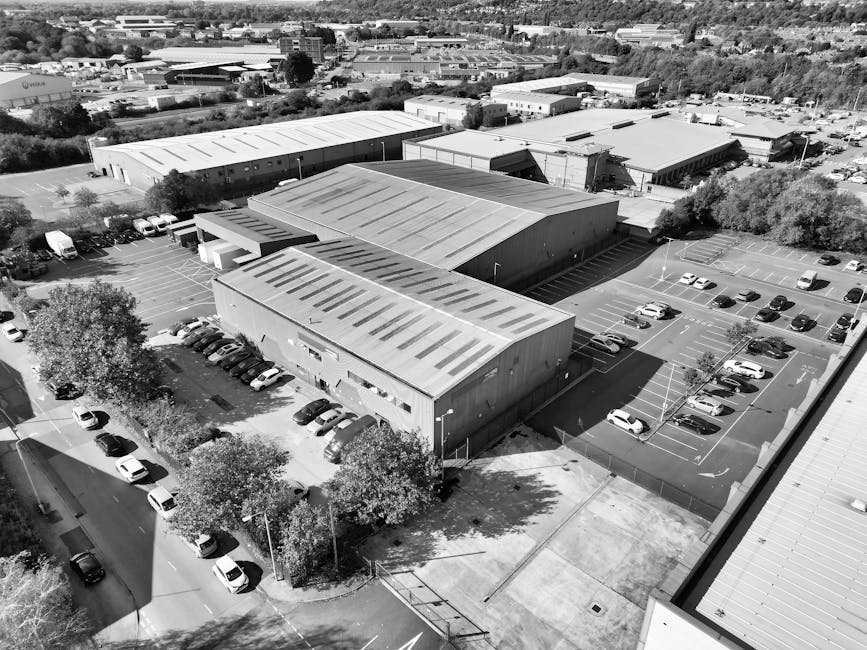
Commercial waste pickup for Hadwell Industrial Estate firms
If you run a workshop, warehouse, trade counter, production unit, or office on Hadwell Industrial Estate, waste has a habit of showing up faster than anyone expects. Cardboard piles up after deliveries, packaging fills the corner by the shutter door, broken fixtures sit around "for now", and suddenly the unit feels tighter, messier, and harder to work in. That is exactly where commercial waste pickup for Hadwell Industrial Estate firms becomes less of a nice-to-have and more of a daily operational essential.
Done well, it keeps your site safer, your team more productive, and your business looking the part when clients, suppliers, or inspectors turn up. Done badly, it can create headaches you really do not need: blocked access routes, extra handling time, mixed waste problems, missed collections, and avoidable costs. This guide breaks the topic down in plain English, with practical advice for firms on the estate who want a cleaner, smoother waste routine without the fluff.
Expert summary: the best waste pickup arrangement is not always the cheapest or the biggest. It is the one that fits your volume, access, waste types, and operating rhythm, while staying easy for staff to follow day after day.
Table of Contents
- Why Commercial waste pickup for Hadwell Industrial Estate firms Matters
- How Commercial waste pickup for Hadwell Industrial Estate firms Works
- Key Benefits and Practical Advantages
- Who This Is For and When It Makes Sense
- Step-by-Step Guidance
- Expert Tips for Better Results
- Common Mistakes to Avoid
- Tools, Resources and Recommendations
- Law, Compliance, Standards, or Best Practice
- Options, Methods, or Comparison Table
- Case Study or Real-World Example
- Practical Checklist
- Conclusion
- Frequently Asked Questions
Why Commercial waste pickup for Hadwell Industrial Estate firms Matters
Industrial estates run on efficiency. Every metre of floor space matters, and every interruption gets felt quickly. If waste is left unmanaged, it does not just look untidy. It gets in the way of loading, cleaning, stock movement, and safe access. In a busy estate environment, that can spill into real-time losses: staff spend longer moving bags, bins overflow at the wrong moment, and valuable working space gets eaten up by old pallets, scrap packaging, offcuts, and unwanted items.
There is also the customer-facing side. Even if you are mostly B2B, people still notice the condition of a site. A neat, orderly yard or unit sends a better message than a back corner full of mixed rubbish. To be fair, it is one of those things customers rarely praise directly, but they absolutely notice when it is wrong.
For Hadwell Industrial Estate firms, waste pickup matters because estates tend to have shared access roads, loading points, and tighter vehicle movement than a standalone site. If collections are poorly timed, the knock-on effect can be annoying for everyone. A collection that blocks a bay for ten minutes can feel like a small thing, but on a busy morning it can throw off the whole flow.
And then there is compliance. Waste has to be handled responsibly. Businesses have duties around storage, transfer, and proper disposal, even when the waste itself looks ordinary. That is why a proper pickup arrangement is not just housekeeping. It is part of running a competent, tidy operation.
How Commercial waste pickup for Hadwell Industrial Estate firms Works
At its simplest, commercial waste pickup is a scheduled or on-demand collection service that removes business waste from your premises and routes it for sorting, recycling, recovery, or disposal. The exact process depends on your waste type and how much you generate, but the working pattern is usually straightforward.
Typical pickup flow
- Assessment: you identify the waste streams your firm produces, such as mixed general waste, cardboard, office waste, trade waste, scrap materials, or bulky items.
- Collection planning: the provider agrees a pickup pattern that suits your hours, access points, and volume.
- On-site handling: waste is gathered into suitable containers, cages, bins, or stockpiled in a controlled area.
- Removal: the collection team takes the waste away at the agreed time, ideally with minimal disruption.
- Sorting and routing: waste is separated and handled according to its type, with recyclable material diverted where possible.
That sounds simple, and often it is. The difference is in the details. A retail unit with lots of packaging may need a very different setup from a light industrial workshop generating timber offcuts, shrink wrap, and broken fittings. One size rarely fits all, despite what some sales pitches imply.
If your firm also generates specialist waste, the process needs extra care. For example, confidential documents, fridges, electrical items, or potentially hazardous material should never be treated as ordinary mixed rubbish. In those cases, a dedicated service or separate handling route is usually the sensible move. The site can stay tidy, and you avoid the awkward "we thought someone else would deal with it" situation that businesses really do not want.
For firms comparing options, it can help to review broader waste handling support such as business waste removal, as well as related services like waste removal for larger or mixed clear-outs.
Key Benefits and Practical Advantages
A good pickup arrangement does more than empty bins. It changes how the site feels and functions. You notice it in the small moments: a cleaner loading bay first thing in the morning, less clutter beside the packing bench, fewer awkward walks around stacked rubbish, and less frustration at the end of a long shift.
1. Better space use
When waste leaves regularly, you reclaim floor space. That matters in industrial units where storage is already at a premium. A tidy corner can become a staging area again rather than a permanent dumping zone. Small win, but a real one.
2. Safer working conditions
Loose packaging, damaged furniture, sharp edges, and overloaded sacks all raise the chance of slips, trips, and manual handling issues. Regular removal reduces the chance of someone dragging a heavy bag across a wet floor or stepping around broken material in a hurry.
3. Smoother operations
Staff waste less time figuring out where to put stuff. Supervisors spend less time chasing housekeeping issues. Deliveries are easier to receive when access routes are clear. The whole site tends to work better, and that can be felt within days, not months.
4. Better presentation
Even the most practical businesses benefit from a clean exterior and an orderly yard. A site that looks under control suggests the same about the work inside. It is a quiet trust signal, really.
5. More predictable costs
Regular pickup usually makes waste costs easier to plan than chaotic ad hoc disposals. Instead of paying for emergency clear-ups and lost time, you can build a routine around known needs. That predictability is often overlooked until a surprise pile-up forces a rushed solution.
6. Stronger recycling habits
When pickup is organised properly, recyclable streams are easier to separate. Cardboard, clean packaging, and certain office materials can often be kept apart from general waste. That supports more responsible handling and aligns with modern sustainability expectations.
If sustainability is a priority for your company, it is worth looking at the provider's recycling and sustainability approach rather than assuming all waste is managed the same way.
Who This Is For and When It Makes Sense
Commercial waste pickup for Hadwell Industrial Estate firms makes sense for a wide range of businesses, but the trigger points are usually easy to spot. If you are regularly asking staff to "just put it over there for now", you are probably already due for a better system.
Common users on an industrial estate
- Light manufacturers generating offcuts, packaging, or damaged stock
- Warehouses dealing with cardboard, pallets, and wrap
- Trade suppliers with mixed customer and stock waste
- Workshops producing scrap materials, fittings, and broken components
- Office-based firms with furniture, paper, and general business waste
- Contractors and fit-out teams working temporarily from an estate unit
It also makes sense when your waste volumes fluctuate. Some businesses are quiet for weeks and then suddenly produce a burst of rubbish after a delivery cycle, a refit, or a stock change. That is normal. The right pickup arrangement should flex with you, not force you into a rigid setup that only works on paper.
There is another group that often gets overlooked: firms that are "small" but busy. A compact operation can produce a surprising amount of waste because space is tight. In those settings, even one skipped collection can become a problem quickly. You know the feeling: the bin lid will not shut, then everyone starts acting like the bin itself is personally to blame.
Step-by-Step Guidance
If you want to improve waste pickup without overcomplicating it, work through the process in order. It saves time, and it avoids expensive guesswork.
Step 1: Map your waste types
Start by listing what actually leaves your site in a typical week. Do not guess. Walk the unit, check the bins, and look at the back areas. Separate general rubbish from cardboard, packaging, metals, timber, office waste, and anything specialist.
Step 2: Measure frequency, not just volume
A huge pile once a month and a smaller steady flow every day need different solutions. Think about how often waste appears, when it builds up, and whether certain days are always busier. Monday after deliveries, for instance, can be a different beast from Friday afternoon.
Step 3: Review access and storage
Ask where bins can live safely, whether collection vehicles can reach the site easily, and whether staff can move waste without crossing live work areas. Sometimes the issue is not capacity at all. It is access. That matters more than many firms realise.
Step 4: Decide what must be kept separate
Some waste streams should not be mixed. That includes items like confidential paperwork, appliances, and materials that may need careful handling. If you have specialist waste, sort that out first. It is much easier than retrofitting discipline later.
Step 5: Choose a pickup pattern
Fixed weekly pickups work well for steady waste output. Flexible or on-demand collections can suit project-based firms. Some businesses use a hybrid pattern: regular collections for common waste, plus occasional clearances for bulkier items or one-off jobs.
Step 6: Train the team on simple rules
Keep it practical. Use clear labels, point staff to the right containers, and make sure everyone knows what cannot go in the wrong pile. A three-minute briefing often does more than a long policy nobody reads.
Step 7: Review after a month
Check what worked and what did not. Are collections arriving at a sensible time? Is one bin overflowing while another is half empty? Are staff confused by the system? Small tweaks often make a big difference.
If you need to understand whether bulky items or mixed loads are suitable for a vehicle-based pickup, it can help to compare your plan with guidance on what can go in a skip. Even when you are not using a skip, the same common-sense sorting questions often apply.
Expert Tips for Better Results
After a while, you notice that the best waste systems are rarely the fanciest. They are the ones people can follow without thinking too hard. That is the real skill.
- Keep waste points near the work that creates it. If staff have to walk too far, stuff ends up on the floor or in the wrong place.
- Use consistent container labels. One label style across the site reduces confusion, especially if shifts change.
- Leave a little headroom. A bin that is always full is not efficient; it is a risk waiting for a collection delay.
- Build around delivery cycles. If waste spikes after stock arrivals, collections should respect that rhythm.
- Separate bulky from loose waste. It makes handling easier and reduces the risk of damaged containers.
- Keep a simple log. Just note missed collections, recurring overflow, or problem waste types. Patterns become obvious quite fast.
A slightly overlooked tip: make one person responsible for waste checks each day. Not to police people, just to keep eyes on the system. When everyone is responsible, sometimes nobody is. Human nature, honestly.
Common Mistakes to Avoid
Most waste problems are not dramatic. They are small habits that pile up. That is good news, because small habits are fixable.
Mixing waste streams without checking first
It is tempting to put everything in one place to save time. But mixed loads can create sorting issues, missed recycling opportunities, and handling problems. A little discipline early on saves a lot of mess later.
Choosing a service based only on price
Cheap is rarely cheap if the collection turns up at the wrong time, cannot access the site, or does not match your waste type. Service fit matters just as much as cost.
Ignoring back-of-house storage
Many firms focus on collection and forget storage. If waste sits in a narrow corridor, next to fire routes, or in a wet yard, problems will follow.
Underestimating bulky items
Broken desks, packaging frames, old appliances, and pallet waste take up more room than people expect. One van-load can look tiny in the yard and huge once the load starts to stack.
Not checking provider process
Ask how waste is handled after pickup. Responsible operators should be able to explain sorting, routing, and documentation in plain language. If the answer feels vague, that is worth noticing.
Tools, Resources and Recommendations
You do not need a complicated system to manage estate waste well. A few practical tools can make life much easier.
- Colour-coded labels: helpful for separating general waste, recycling, and special streams.
- Simple bin maps: useful in larger units or shared workspaces so staff know where things go.
- Basic weighing or estimating notes: not perfect, but enough to spot growing volumes.
- Collection diary: a shared calendar helps avoid missed pickups and duplicate booking.
- Photo records: surprisingly handy if you are trying to identify recurring waste hotspots.
For firms that need a little more than routine pickup, pages like pricing and quotes and book online can be useful starting points when you are comparing how a provider handles straightforward scheduling and one-off work.
If your business deals with sensitive information, it is also worth considering confidential shredding rather than placing papers in ordinary waste. Paper records have a funny way of turning into a problem only after they have already been mixed in with everything else.
And if your site has old appliances or chilled units awaiting removal, specialised support such as fridge and appliance removal can be far more sensible than treating them as generic bulk waste.
Law, Compliance, Standards, or Best Practice
Commercial waste handling in the UK is expected to be managed responsibly, and businesses should take care to use a service that can support proper transfer, storage, and disposal. Without getting overly technical, the main idea is simple: you remain responsible for how your business waste is handled until it leaves your control through the proper route.
That means a few common-sense standards matter. Keep waste secure, avoid letting it spread across shared areas, separate hazardous or specialist items, and use a provider you trust to handle removal appropriately. Records and clear procedures are not just admin clutter; they help show that your business is behaving properly.
If your waste includes materials that may be hazardous, take extra care. Items such as chemicals, contaminated materials, or other risky waste should never be left to guesswork. A dedicated service route is the safer and more professional choice. For those situations, a page like hazardous waste disposal is the kind of support you should review before anything gets moved.
Insurance and safety also matter. Ask whether handling processes, vehicle access, and on-site work are managed with appropriate care. A provider's insurance and safety information can tell you a lot about how seriously they treat the job. Not glamorous, perhaps, but very useful.
Finally, if sustainability is part of your procurement standards, make sure the waste route is consistent with that. Recycling, recovery, and reuse practices should not be an afterthought. Many firms now expect a waste partner to support cleaner handling, not just haul things away and hope for the best.
Options, Methods, or Comparison Table
Most Hadwell Industrial Estate firms will choose between a few practical waste arrangements. The right option depends on volume, predictability, access, and how messy your waste stream is in reality.
| Option | Best for | Strengths | Trade-offs |
|---|---|---|---|
| Regular scheduled pickup | Steady, ongoing waste output | Predictable, simple, easy for staff to follow | Less flexible if waste spikes unexpectedly |
| On-demand pickup | Irregular or project-based waste | Flexible and useful during busy periods | Can be harder to plan around at short notice |
| Hybrid setup | Businesses with baseline waste plus occasional clear-outs | Balanced, practical, often the best fit | Requires a bit more coordination |
| Bulk clearance support | Refits, stock changes, or one-off unit clearances | Good for large or awkward items | Not ideal as the only routine waste solution |
In practice, many firms end up using a hybrid approach because business life is rarely tidy. The steady stuff needs a routine. The awkward stuff needs an occasional clear-out. That is normal.
Case Study or Real-World Example
Take a typical light industrial unit on the estate. The team receives stock twice a week, uses a packing bench near the front, and stores outbound parcels along one wall. Over time, the waste begins to build: cardboard, plastic wrap, damaged cartons, a few broken shelf components, and old office chairs that "will be dealt with later".
At first, the problem seems small. Then the waste corner starts creeping into the walkway. Staff slow down. Someone puts a bag beside a fire exit because there is nowhere else. Another person drags packaging out after 4 pm, and it gets left outside because the bin is full. A perfectly ordinary site begins to feel cramped and slightly chaotic.
After that, the business introduces a weekly pickup for regular waste, adds a separate route for bulky items, and creates a simple bin label system. Within a short period, the unit feels calmer. The packing bench is easier to use, deliveries are less awkward, and the supervisor is not chasing loose rubbish every other afternoon. Nothing magical happened. Just a better system.
That is the real value here. Not drama. Just less friction.
Practical Checklist
Use this checklist before you commit to a pickup arrangement or review your current one.
- Have you listed all waste types generated on site?
- Do you know which waste streams must stay separate?
- Is there a clear, safe storage area for waste before collection?
- Can collection vehicles access the site without causing disruption?
- Are pickup times aligned with your busiest operational periods?
- Have staff been shown where different waste types should go?
- Do you have a plan for bulky, confidential, or hazardous items?
- Is there a simple way to track missed collections or overflow problems?
- Do you understand the provider's recycling and disposal approach?
- Have you checked terms, service expectations, and payment arrangements?
If a few of those boxes are not ticked, no panic. That is common. It just means there is room to tighten the system before waste becomes a recurring nuisance.
Conclusion
Commercial waste pickup for Hadwell Industrial Estate firms is one of those operational choices that quietly shapes everything else. It affects safety, space, staff efficiency, site presentation, and even how calm the working day feels. Get it right, and waste stops being a constant interruption. Get it wrong, and it keeps showing up in the corners of your business, literally and figuratively.
The best approach is usually the one that fits your actual habits, not your ideal ones. Start with the waste you really generate, keep sorting simple, and make sure pickups are timed around how your site really works. That is the honest route, and usually the best one.
If you are ready to review your current setup or organise a cleaner, more reliable collection plan, take the next step with confidence. A well-run waste process can make the whole unit feel lighter. Better, even. And that counts.
Get a free quote today and see how much you can save.
Frequently Asked Questions
What counts as commercial waste for an industrial estate firm?
Commercial waste is any waste produced by a business rather than a household. On an industrial estate, that often includes packaging, cardboard, scrap materials, office waste, broken fittings, and general rubbish from day-to-day operations.
How often should Hadwell Industrial Estate firms arrange pickup?
That depends on how much waste you produce and how quickly it builds up. Some firms need weekly pickups, while others are better served by flexible or on-demand collections. If bins are always full, the frequency is too low.
Can different waste types be collected together?
Sometimes yes, sometimes no. It depends on the materials involved and how the provider handles sorting. In general, it is better to separate recyclables, confidential waste, bulky items, and anything potentially hazardous.
Is commercial waste pickup suitable for small businesses?
Absolutely. Small firms often benefit a lot because space is tighter and waste can get in the way quickly. A simple, regular pickup can prevent clutter from becoming a daily irritation.
What is the difference between regular pickup and one-off waste removal?
Regular pickup is scheduled to handle ongoing waste output. One-off removal is for occasional clear-outs, refits, or bulk waste events. Many businesses use both, because real life rarely fits one box neatly.
How do I know if my business needs specialist waste handling?
If you deal with confidential documents, electrical items, fridges, chemicals, contaminated materials, or anything unusual, specialist handling may be needed. When in doubt, do not mix it into ordinary waste.
What should I ask before choosing a waste provider?
Ask about collection timing, accepted waste types, recycling handling, access requirements, safety procedures, and what happens if volumes change. Clear answers are a good sign. Vague answers are not.
Can commercial waste pickup help with recycling goals?
Yes, if the system is set up properly. Separating cardboard, packaging, and other recyclable streams makes it easier to divert material away from general waste and keep the site more organised.
What happens if waste is left in the wrong place on site?
It can create access issues, safety risks, and general disorder. On a busy estate, even a small obstruction can slow movement or block a loading area. Better to prevent that early.
Is it worth paying more for a better pickup service?
Often, yes. A slightly better service can save time, reduce disruption, and prevent messy problems later. Cheap collections that do not suit your site can end up costing more in the long run.
How can I make waste pickup easier for staff?
Keep the system simple. Use clear labels, short instructions, and waste points near the work area. If staff can understand it at a glance, they are more likely to follow it consistently.
Where should I start if my current setup is messy?
Start by listing the waste you generate, checking where it builds up, and reviewing your storage and access points. Then choose a pickup pattern that matches reality, not wishful thinking. That first tidy-up is usually the hardest part, and then it gets easier.