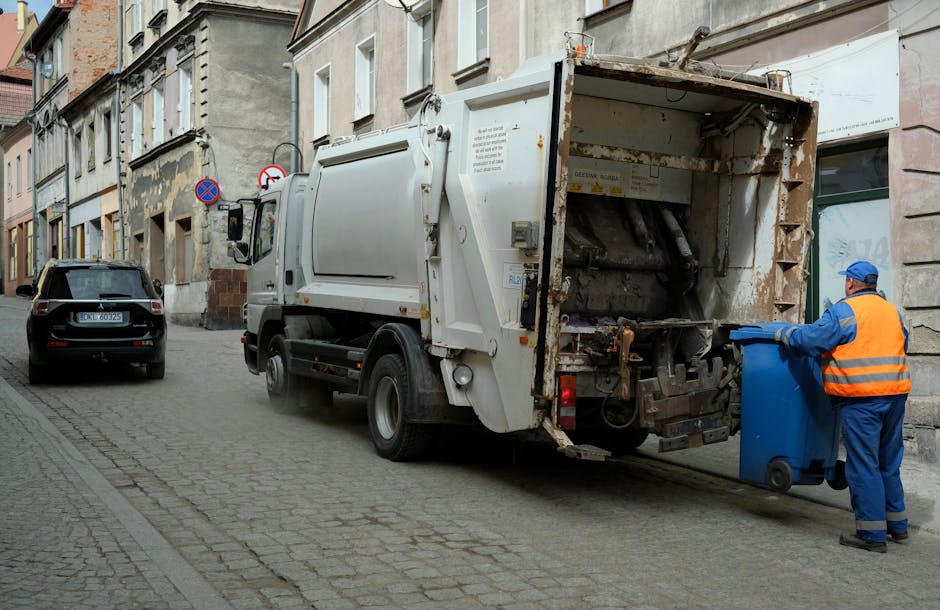
Best rubbish removal services in Hadwell High Street area

If you are trying to clear a flat, empty a shop unit, tackle a post-renovation mess, or just get rid of a pile that has quietly grown in the corner, choosing the Best rubbish removal services in Hadwell High Street area can save a lot of time and stress. The right team does more than lift waste. They turn a messy job into something orderly, quick, and surprisingly manageable.
In a busy high street setting, that matters even more. Access can be awkward, parking can be tight, and you often need the rubbish gone without disrupting neighbours, customers, or the flow of the day. This guide breaks down how rubbish removal works, what to look for, which service type fits different jobs, and the practical mistakes people often make when booking. Let's keep it plain English and genuinely useful.
Why rubbish removal in Hadwell High Street matters
High street rubbish is rarely just "waste." It is often a mix of furniture, broken fittings, packaging, trade offcuts, old stock, and the odd thing nobody wants to admit belongs to them. In a location like Hadwell High Street, speed and presentation matter. A bag stack left too long outside a property can create an eyesore, attract complaints, and make a business or home feel a bit neglected.
There is also the simple issue of access. Streets with regular traffic, nearby shops, delivery vehicles, and pedestrians tend to make loading waste more complicated than people expect. What looks like a one-hour job from inside the property can become a slow, awkward puzzle at the kerb. That is exactly where a well-organised rubbish removal service earns its keep.
It also helps when you are dealing with mixed waste. One job may include a wardrobe, a damaged appliance, cardboard, a broken shelf unit and some bagged general waste. Another may be a landlord clearance with left-behind items and a bit of confidential paper. A good service should be able to assess the lot sensibly and tell you what can be removed, recycled, or handled separately.
Expert summary: The best rubbish removal service is not just the cheapest or the quickest. It is the one that can clear the right waste safely, on time, and with minimal disruption to your day.
For businesses, the stakes are even higher. A cluttered frontage can affect customer perception before anyone walks in. For residents, it is usually about reclaiming space and avoiding the slow creep of mess. Either way, rubbish removal is less about waste itself and more about getting your space back.
How rubbish removal in Hadwell High Street works
Most rubbish removal services follow a straightforward process, though the quality of the experience can vary a lot. In practice, you usually start with an enquiry, a rough description of the waste, and some idea of access. Good providers will ask the right questions rather than just saying "yes" to everything. That's a small detail, but it matters.
Here is the usual flow:
- You describe the load. This might be bagged waste, bulky items, builders' rubble, old office furniture, or mixed rubbish.
- The provider estimates the job. Some services quote by load size, some by volume, and some after a visit or photo assessment.
- A collection time is arranged. In a high street area, timing may need to fit around traffic, parking limits, and building access.
- The team removes the waste. They should load efficiently, avoid damage, and leave the area tidy.
- Waste is sorted. Reusable or recyclable material is separated where possible, and regulated waste is handled appropriately.
If you are booking for a shop, office, flat, or trading premises, there may be additional things to think about. Is there lift access? Is the waste in a back yard, a basement, or an upper floor? Can a vehicle get near the entrance? These questions sound simple, but they shape the whole job.
For more specialised clearances, the service may need to be matched to the type of waste. For example, a job involving office desks and files is very different from a garage clear-out or a garden job. You can explore the relevant clearance pages, such as office clearance, garage clearance, or garden clearance, depending on what you are actually dealing with.
Truth be told, the smoother jobs are the ones where the customer gives clear information up front. A photo, a short list, and a realistic view of access can save a lot of back and forth.
Key benefits and practical advantages
The main reason people search for rubbish removal is convenience, but the real benefits go a bit deeper than that. A good service can reduce physical effort, cut down on time wasted, and keep a stressful job from turning into a whole weekend ordeal. Nobody really wants to spend Saturday trying to work out how to move a sofa down a narrow staircase. It is not fun. At all.
- Speed: What might take you several trips can often be handled in one organised visit.
- Less lifting: The team does the heavy work, which reduces the risk of strain or injury.
- Better sorting: Reputable services separate items for recycling or proper disposal where possible.
- Cleaner presentation: Useful for businesses, landlords, agents, and homeowners preparing for photos or inspections.
- Less disruption: A tidy, planned clearance is easier on neighbours and customers than ad hoc dumping.
There is also a hidden benefit: decision relief. If you are staring at a room full of unwanted stuff, the hardest part is often not the lifting, it is deciding what to do next. A removal service gives the job a shape. One call, one collection, done.
For certain waste types, a specialist service can make a big difference. Large household items may be better handled through furniture disposal or mattress and sofa disposal. If the load includes white goods, fridge and appliance removal is the safer route. That's the kind of detail that separates a proper service from a generic "we take stuff" outfit.
Who this is for and when it makes sense
This kind of service suits more people than you might think. It is not only for major house moves or building projects. In many cases, it is the sensible choice for smaller, messy, awkward jobs that are just too much for a car boot and a few bin bags.
It makes sense for:
- homeowners clearing clutter before a sale or refurbishment
- tenants moving out of a flat with leftover items
- landlords dealing with end-of-tenancy clearances
- shops and small businesses with unwanted fixtures or packaging waste
- offices replacing furniture or clearing archived items
- builders and tradespeople with post-job debris
- families handling a full or partial property clearance
If you are in a flat above a shop, you will also know how quickly "just a few items" can become a logistical headache. Tight stairs, shared entrances, and limited time windows can make a simple job feel much bigger. In those cases, using a service like flat clearance can be far less painful than trying to coordinate everything yourself.
For larger domestic jobs, house clearance or home clearance may be more appropriate. That distinction matters because the right service often saves both time and money. You do not want to pay for a heavyweight clearance if a smaller collection would do the job neatly.
Let's face it, most people book rubbish removal because they have already tried the DIY version in their head and realised it involves borrowed gloves, sore backs, and more trips than anyone has patience for.
Step-by-step guidance
If you want the process to go smoothly, a little preparation goes a long way. Here is the approach we recommend for most customers.
- Identify exactly what needs removing. Separate bagged waste, bulky items, recyclables, and anything that may need special handling.
- Take quick photos. One or two clear images often make quoting and planning much easier.
- Check access. Think about stairs, parking, loading space, lifts, gates, and whether the items need to come through narrow areas.
- Ask about sorting and disposal. A reputable provider should be comfortable explaining what happens next.
- Confirm timing. High street collections often work best with a specific arrival window rather than a vague "sometime in the afternoon."
- Prepare the area. If safe to do so, move loose items together so the team can work efficiently.
- Walk through the load on arrival. A quick review avoids confusion and helps keep the price and scope aligned.
A practical note here: if the job includes a mix of items, do not hide that. It is better to mention the awkward bits upfront than to spring them on the crew at the door. That usually helps everyone, and sometimes it improves the quote too because the provider can plan better.
If you are unsure whether waste can go together, the page what can go in a skip is a useful reference point for understanding common restrictions, even if you are booking a collection rather than a skip. The principles around mixed waste are often similar.
For a formal next step, many people prefer to review pricing and quotes before booking. That can help you compare like for like, especially if you are choosing between a small household clearance and a larger commercial load.
Expert tips for better results
A few small decisions can make the whole experience better. Not fancy, just practical. The kind of advice people tend to wish they had before the van arrived.
- Be honest about volume. People often underestimate how much space rubbish takes once it is off the shelf and on the floor.
- Separate anything reusable. If an item can be donated, resold, or reused, keep it out of the waste pile.
- Keep hazardous items separate. Certain materials need special handling, so flag them early.
- Check the access route. A clear stairwell and a parked car moved in advance can shave time off the job.
- Ask about recycling. A sensible service should explain what gets sorted rather than sent away blindly.
- Choose the right service type. Builders' waste, furniture, garden waste, and office items often need different handling.
There is another tip that sounds obvious but people forget it all the time: clear the stuff you are definitely keeping before the removal team arrives. When a room is half-packed and half-decided, mistakes happen. A lamp you meant to keep can end up sitting beside a broken chair and, well, you can guess the rest.
If your job is commercial, review a dedicated business waste removal option rather than assuming a domestic service is the best fit. That keeps expectations clean and usually gives you a better outcome.
Common mistakes to avoid
A lot of rubbish removal headaches come from avoidable mistakes. The good news is that they are fairly easy to sidestep once you know what to watch for.
- Choosing only on price: Cheap can be fine, but not if it means poor communication, hidden extras, or careless handling.
- Giving vague descriptions: "A bit of rubbish" is not enough if the load includes bulky furniture or specialist items.
- Forgetting access issues: Narrow staircases, controlled parking, and loading restrictions can slow everything down.
- Mixing regular waste with special waste: Some items require separate handling, so do not assume everything can go together.
- Leaving everything until the last minute: That tends to create panic, missed details, and rushed decisions.
One more thing: do not assume every provider handles the same materials. A crew that is perfect for a garage clear-out may not be the best choice for confidential papers, appliances, or construction debris. The service should match the job, not the other way around.
If you are clearing workspaces or dealing with files, confidential shredding is worth considering alongside general rubbish removal. It is a small thing, but in an office setting small things matter a lot.
Tools, resources and recommendations
You do not need a toolkit the size of a builder's van, but a few basic items help if you are preparing waste for removal yourself. Nothing glamorous here, just sensible stuff.
- heavy-duty bin bags for loose waste
- gloves with good grip
- a tape measure for bulky items and access points
- marker labels for items you want kept or moved separately
- cardboard or blankets to protect floors during loading
- a phone camera for quick item photos
For service research, the most useful pages tend to be the ones that explain scope and expectations clearly. The following can help you understand whether a provider is a good fit before you book:
- about the company and its approach
- recycling and sustainability information
- insurance and safety details
- payment and security guidance
- book online when you are ready to move ahead
If you are handling a specific item category, it can also help to look at specialist services such as furniture clearance or builders waste clearance. The point is simple: clarity leads to better quoting, better planning, and fewer surprises. Nice, boring, reliable clarity. That is what you want.
Law, compliance and best practice
Any rubbish removal service in the UK should operate with proper attention to waste handling, duty of care, and safe disposal practices. You do not need to become a compliance expert, but you should expect the provider to know what they are doing. If they sound vague about where waste goes or how it is handled, that is a warning sign.
From a customer perspective, the key best-practice points are straightforward:
- use a service that can explain how waste is sorted and disposed of
- separate hazardous or specialist items before collection
- be careful with anything that may contain personal data or sensitive information
- ask about insurance if the job involves stairs, shared areas, or tight internal access
- make sure the scope of work is clear before the team starts loading
For hazardous or awkward items, do not guess. Items such as certain chemicals, contaminated materials, and some electrical or refrigerant-containing appliances may need special disposal routes. If you are unsure, ask first rather than hoping it will somehow sort itself out. It usually doesn't.
Where safety is involved, it is reasonable to review a provider's health and safety policy and insurance and safety information. That is especially sensible for commercial jobs, bulky items, or anything with lifting hazards.
Best practice is not about ticking boxes for the sake of it. It is about avoiding mess, confusion, and the sort of rushed job that leaves everyone annoyed afterwards.
Options, methods, or comparison table
Different waste jobs call for different approaches. A quick comparison can make the choice much easier.
| Method | Best for | Pros | Things to watch |
|---|---|---|---|
| Man and van rubbish removal | Mixed household waste, bulky items, small clearances | Flexible, quick, good for awkward access | Capacity can be limited, so volume matters |
| Specialist clearance service | Furniture, lofts, garages, flats, offices | Better matched to the job, usually more efficient | Needs accurate description of waste type |
| Skip-based disposal | Longer projects, ongoing building work, heavier waste streams | Useful for staged jobs and repeat filling | Needs space and may require a permit depending on placement |
| Full property clearance | House moves, deceased estates, major decluttering | Comprehensive and time-saving | More planning needed, especially for access and item sorting |
If you are weighing up a skip against a collection service, the page on what can go in a skip is useful for understanding what waste types are typically acceptable. If you want a load gone with less hands-on effort, a collection service may feel simpler. If you have a steady stream of waste over several days, a skip can be more practical. Different jobs, different answers.
For home owners and landlords, it can also be worth comparing broader clearance options such as house clearance and loft clearance. Those are not just labels; they reflect how the work is organised on the day.
Case study or real-world example
Picture a typical Hadwell High Street situation. A small office above a retail space has replaced several desks, two chairs are damaged, there are boxes of old paperwork, and the storeroom has become a bit of a graveyard for random items nobody has had time to sort. The manager wants the lot gone before a Monday reopening.
The first problem is access. The building has a shared entrance, a narrow stairwell, and very limited loading time outside. The second problem is waste type: some items can go through general removal, but the paperwork needs careful handling, and one old appliance needs separate attention. The third problem is timing. Everyone wants it done fast, but not in a way that blocks customers or annoys the neighbouring business next door. Pretty normal, honestly.
In that kind of job, the best outcome comes from a clear brief, a realistic quote, and a provider that can handle commercial waste sensibly. The office items might be taken via office clearance, the confidential papers could be addressed through confidential shredding, and any appliance may need fridge and appliance removal. Once the work is split into sensible parts, the job becomes much easier to manage.
The key lesson from real-world clearances is simple: the best service is usually the one that thinks ahead. Not flashy. Just organised. That is what keeps the collection calm, quick, and tidy.
Practical checklist
Use this checklist before booking rubbish removal in the Hadwell High Street area.
- List every item or waste type that needs removing.
- Separate anything you want to keep.
- Flag bulky, sharp, heavy, or fragile items.
- Note access details: stairs, parking, gates, lifts, and loading space.
- Take photos for a clearer quote if possible.
- Ask whether the provider handles your waste type.
- Check whether recycling or reuse is part of the process.
- Confirm timing and arrival window.
- Ask about payment method and any conditions in advance.
- Make sure hazardous or sensitive materials are dealt with separately.
If your job is a whole-room or whole-property project, consider whether a more specific service would be easier, such as loft clearance, garage clearance, or home clearance. Small decisions here can save a surprisingly large amount of time on the day.
Get a free quote today and see how much you can save.
Conclusion
Finding the Best rubbish removal services in Hadwell High Street area is really about choosing a provider that fits the job in front of you. If you need a quick collection, look for clarity and speed. If you have mixed waste, look for practical sorting and the right specialist support. If the space is awkward, look for experience with access and loading. Simple, but not always easy.
The strongest rubbish removal service is the one that makes a difficult job feel orderly. It should be careful with your property, honest about the waste, and efficient without being rushed. That balance is what gives you a clean space and a calmer head. And honestly, that feeling of seeing a cluttered area finally cleared out? It's a good one.
When you are ready, take the next step with a service that feels organised, transparent, and comfortable with the kind of waste you actually need gone. A tidy room can change the mood of a whole day.
Frequently Asked Questions
What is the best type of rubbish removal for a small flat in Hadwell High Street?
For a small flat, a flexible collection service or flat-specific clearance is often the most practical choice. It handles awkward access better than a standard skip and is usually faster to arrange.
How do I know if I need rubbish removal or a full clearance service?
If you are getting rid of a few bulky items or a mixed pile, rubbish removal is usually enough. If you are emptying multiple rooms, a loft, or an entire property, a fuller clearance service is often the better fit.
Can rubbish removal services take furniture and appliances too?
Yes, many can, but it is better to check first. Furniture and appliances often need specialist handling, so dedicated services like furniture disposal or fridge and appliance removal may be more suitable.
Is it cheaper to use a skip or a rubbish removal team?
It depends on the job. A skip can suit long projects with ongoing waste, while a removal team may be better for one-off collections, awkward access, or mixed bulky items.
What should I tell the company before booking?
Give them a clear description of the waste, approximate volume, access details, and any items that need special handling. A few photos can help too.
Do rubbish removal services sort recyclable items?
Good ones usually do, or at least explain what happens to the waste after collection. It is sensible to ask how they approach recycling and sustainability before you book.
What if I have confidential paper or sensitive files?
Do not put those in with general rubbish. Ask about confidential shredding so the material is handled properly and separately.
Are there items that rubbish removal services might refuse?
Yes. Hazardous waste, certain chemicals, and some specialist materials may require separate arrangements. Always mention unusual items early so there are no surprises.
How long does a typical rubbish removal collection take?
It varies with volume, access, and item type. Small collections can be quick, while larger or more complex jobs may take longer. The key is giving accurate information upfront.
What makes one rubbish removal service better than another?
The best services are clear, safe, punctual, and suited to the waste type. Good communication, sensible pricing, and proper disposal standards usually matter more than glossy promises.
Can I book rubbish removal for a shop or office on the high street?
Yes, and in many cases it is the smartest option. Commercial spaces often benefit from business waste removal or office clearance because they are set up for larger or more structured jobs.
How do I choose the right service quickly?
Match the service to the waste, check access details, ask about sorting and disposal, and compare quotes carefully. If something feels vague, it usually is. Trust your instincts a bit there.
What is the safest way to prepare items for collection?
Keep walkways clear, separate sharp or heavy objects, label anything staying behind, and avoid mixing hazardous material with general rubbish. A neat setup makes the job safer for everyone.